
Habitat Consultation: Enhancing Ecosystems with Lake Cumberland Gamebirds
Understanding the Essentials of Habitat Consultation
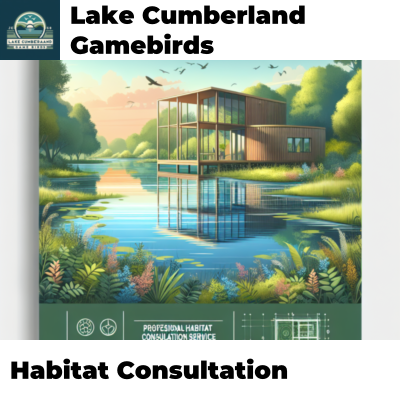
Habitat consultation involves a comprehensive assessment and strategic planning to restore, enhance, or create wildlife habitats. At Lake Cumberland Gamebirds, located at 7373 Game Bird Rd, Somerset, KY, this service is designed to cater to diverse ecosystems, emphasizing native species and sustainable practices.
What is Habitat Consultation?
This service provides expert guidance on managing land in a way that supports biodiversity. It includes:
- Evaluation of current land use and vegetation
- Identification of native species and invasive species management
- Recommendations for habitat improvement
- Long-term maintenance plans for sustained biodiversity
Why It Matters
Biodiversity is crucial for ecosystem stability, providing benefits such as pollination, natural pest control, and climate regulation. Effective habitat management ensures that land not only supports wildlife but also contributes to ecological balance and resilience.
The Steps Involved in Habitat Consultation at Lake Cumberland Gamebirds
Lake Cumberland Gamebirds follows a methodical approach to habitat consultation, tailored to meet individual goals and the specific ecological context of each site.
Initial Site Assessment
An initial site visit is conducted to observe the current state of the ecosystem, understand the client's goals, and identify any immediate concerns such as erosion or signs of habitat degradation.
Development of a Management Plan
Based on the initial assessment, a detailed management plan is prepared, outlining:
- Strategies to enhance habitat for target species
- Methods to control or eradicate invasive species
- Plans for planting native vegetation and improving soil health
Implementation of Restoration Techniques
Restoration techniques may include:
- Creating buffer zones around water bodies
- Establishing wildlife corridors
- Implementing erosion control measures and restoring native plant communities
Monitoring and Adjustments
Post-implementation, the habitat is monitored to assess the effectiveness of the restoration efforts. Adjustments are made as necessary to ensure that the habitat development objectives are being met.
The Role of Native Species in Habitat Restoration
The focus on native species is critical for successful habitat restoration. Native plants and animals are adapted to local environmental conditions and play integral roles in their ecosystems.
Benefits of Using Native Species
- Enhanced resilience to pests and diseases: Native species are better equipped to resist local pests and diseases.
- Lower maintenance requirements: Once established, native species generally require less intervention to thrive compared to non-native species.
- Support for local wildlife: Native plants provide essential food and shelter for local wildlife, supporting biodiversity.
Case Studies: Successful Projects by Lake Cumberland Gamebirds
Reviewing successful projects highlights the impactful outcomes of professional habitat consultation.
Restoration of Wetland Habitats
One notable project involved the restoration of a wetland area that had been drained for agriculture. The project included:
- Re-establishing water flow to the area
- Planting moisture-tolerant native species
- Installing structures to provide habitats for aquatic species
This wetland is now a thriving ecosystem that supports a diverse range of amphibians, fish, and migratory birds.
Revitalization of a Pollinator Garden
In another project, a pollinator garden was revitalized to support bee populations, crucial for local agriculture. Efforts included the introduction of native flowering plants and habitat structures like bee hotels.
Addressing Common Misconceptions and Knowledge Gaps
Throughout our habitat consultation, we encounter and address various misconceptions about wildlife and ecosystem management.
Misconception: More Trees Are Always Better
While reforestation is generally beneficial, the indiscriminate introduction of trees can sometimes disrupt local ecosystems. It's crucial to select species and locations that align with the ecological characteristics of the area.
Knowledge Gap: The Role of Invasive Species Management
Invasive species can outcompete native species and disrupt ecosystems. Effective management is not just about removal but integrating practices that prevent future invasions and support native biodiversity.
As methodologies evolve, it’s imperative to adopt an open and adaptable mindset towards ecosystem management, recognizing that each habitat holds unique challenges and opportunities.
Choose Lake Cumberland Gamebirds for Expert Habitat Consultation
At Lake Cumberland Gamebirds, we combine in-depth ecological knowledge with practical experience to deliver habitat consultation that respects the nuances of natural systems. Our approach is designed not only to restore but to enhance habitats for future resilience.
For a consultation or more information, please don't hesitate to contact us at (606) 555-8585 or via email at [email protected]. Let us help you leverage ecological principles to achieve sustainable land use and vibrant, thriving ecosystems.
Collaborative Approaches to Habitat Restoration
At Lake Cumberland Gamebirds, we believe in a collaborative approach to habitat restoration, working closely with landowners, community groups, and environmental organizations to achieve the best outcomes.
Engaging Local Communities
Involving local communities in the restoration process is crucial for success. This inclusion not only fosters greater appreciation and understanding of local ecosystems but also encourages ongoing stewardship and monitoring.
Partnerships with Environmental Agencies
By collaborating with environmental agencies, we can ensure that our restoration projects comply with local, state, and federal regulations, and benefit from the latest scientific research and conservation strategies.
Tailored Solutions for Diverse Ecosystems
Each habitat poses unique challenges; thus, our solutions are highly customized based on the specific characteristics and needs of the area being restored.
Examples of Customization in Habitat Restoration
- Forest Ecosystems: Strategies might focus on controlling invasive species, promoting native understory growth, and protecting mature trees from pests.
- Grassland Ecosystems: Efforts could include reseeding with native grasses, managing the timing and intensity of grazing, and restoring natural fire regimes.
Using Advanced Technology in Habitat Management
Advanced technologies such as GIS mapping and drone surveillance are employed to monitor restoration progress and assess the health of ecosystems accurately, allowing for timely adjustments to management strategies.
Educational and Outreach Programs
Lake Cumberland Gamebirds isn't just about direct habitat restoration. We also offer educational programs designed to teach the principles of ecology and conservation management.
Workshops and Seminars
These programs help community members, students, and professionals understand the importance of biodiversity and learn practical skills in habitat restoration.
Volunteer Opportunities
Volunteering gives individuals hands-on experience with conservation practices, fostering a deeper connection with the natural world and a personal commitment to its preservation.
Future Directions in Habitat Consultation
Looking forward, habitat consultation will increasingly need to integrate considerations such as climate change, urban expansion, and the evolving needs of both local and migratory wildlife.
Integrating Climate Resilience into Habitat Restoration
Future restoration efforts must consider the long-term impacts of climate change, such as altered precipitation patterns and temperatures, ensuring ecosystems are resilient to these changes.
Balancing Development and Conservation in Urban Areas
As urban areas expand, creating 'green' infrastructure and designated wildlife corridors will become crucial in maintaining biodiversity and ecological connectivity.
Commitment to Sustainable Practices and Continuous Improvement
Lake Cumberland Gamebirds is dedicated to using sustainable methods that do not only restore but continuously improve habitat quality. Our commitment involves regular training for our team in the latest ecological practices and staying abreast of scientific advancements.
Continuous Learning and Adaptation
The field of habitat restoration is dynamic, requiring ongoing education and adaptability to new methods and regulations, ensuring that our practices remain at the forefront of conservation science.
Eco-friendly Techniques
We prioritize techniques that minimize environmental impact, such as using organic pest controls and sustainable water management practices, to ensure that our interventions are beneficial both in the short term and for future generations.
Lake Cumberland Gamebirds is more than just a service; it's a partner in fostering sustainable ecosystems. By choosing us for your habitat consultation needs, you are not only enhancing your property's ecological value but also contributing to broader conservation goals. For more information or to schedule a consultation, we invite you to contact us at (606) 555-8585 or send an email to [email protected]. Together, we can create a sustainable, biodiverse future.
Comprehensive Services Offered by Lake Cumberland Gamebirds
At Lake Cumberland Gamebirds, we take pride in offering a broad range of services that complement our habitat consultation ensuring that each aspect of ecosystem management is covered comprehensively.
Ecosystem Assessment and Mapping
Understanding the geographical and biological frameworks of an area is crucial. We use the latest in GPS and GIS technology to map out habitats accurately, assessing their conditions and identifying critical areas for intervention.
Invasive Species Control
Management of invasive species is a critical component of habitat restoration. We provide:
- Identification and mapping of invasive species
- Development of eradication or control plans
- Regular monitoring to ensure effective management
Native Plant Reintroduction
A successful habitat restoration often involves reintroducing native plant species that have been lost due to past practices. This process includes:
- Selection of appropriate species for the specific environment
- Sourcing high-quality, local plant materials
- Supervising the planting and initial care of reintroduced species
Wildlife Monitoring and Support
Post-restoration, monitoring wildlife populations is essential to ensure that the ecosystem is functioning as intended. Our services include:
- Installation of wildlife monitoring equipment
- Regular surveys to track species populations and health
- Adjustments to management practices based on wildlife data
Leveraging Technology in Habitat Restoration
Modern technology plays a pivotal role in enhancing the efficiency and effectiveness of habitat restoration projects.
Geographic Information Systems (GIS)
GIS technology allows us to create precise maps and models of habitats, which are crucial for planning and monitoring restoration activities. This technology aids in:
- Detailed mapping of existing conditions
- Simulation of potential restoration outcomes
- Monitoring changes over time
Drone Technology
Drones offer a unique perspective and capabilities that are particularly useful in areas that are difficult to access. Their usage in habitat restoration includes:
- Aerial surveys for large-scale land assessment
- Thermal imaging to identify water sources or animal populations
- Detailed photographic documentation of ongoing projects
Fostering Community Involvement and Education
An informed and engaged community is vital to the sustainability of habitat restoration efforts. Lake Cumberland Gamebirds is committed to educating the public through various initiatives.
Community Workshops and Field Days
These events provide hands-on learning experiences about local ecosystems, restoration techniques, and the importance of biodiversity. They serve not only to educate but also to foster a sense of community stewardship.
School Programs and Internships
By collaborating with local schools and universities, we offer programs that educate young people about conservation and provide practical experience in the field of habitat restoration.
Public Seminars on Biodiversity and Conservation
Expert-led seminars help to raise awareness about the challenges facing our local ecosystems and discuss the role that each individual can play in conservation efforts.
Navigating Challenges and Setting Future Goals
While habitat restoration is rewarding, it presents unique challenges that require innovative solutions and forward-thinking strategies.
Adapting to Climate Change
As climate patterns change, so too must our approaches to habitat restoration. This includes:
- Anticipating future climatic conditions in current restoration plans
- Using species and techniques that increase ecological resilience
- Monitoring ecological responses to changing climate variables
Urban Encroachment and Habitat Fragmentation
With increasing urban development, maintaining contiguous habitats is more challenging but also more essential. Strategies include:
- Working with urban planners to incorporate green spaces and corridors
- Implementing local ordinances that support wildlife connectivity
- Educating the public on the importance of urban wildlife habitats
Securing a Sustainable Future with Lake Cumberland Gamebirds
Habitat consultation is not just about restoring land; it's about creating a sustainable foundation for future generations. At Lake Cumberland Gamebirds, we are dedicated to restoring and enhancing habitats with a deep commitment to ecological integrity and sustainability.
By choosing Lake Cumberland Gamebirds for your habitat consultation needs, you are partnering with experts who are deeply committed to the conservation of our natural world. We encourage you to reach out to us at (606) 555-8585 or [email protected] to begin discussing your project. Whether you are looking to enhance a small piece of private land or a larger public area, our team is here to provide the expertise and guidance necessary to achieve successful and sustainable outcomes. Let’s work together to create vibrant and thriving ecosystems that will benefit our community and the planet for decades to come.